








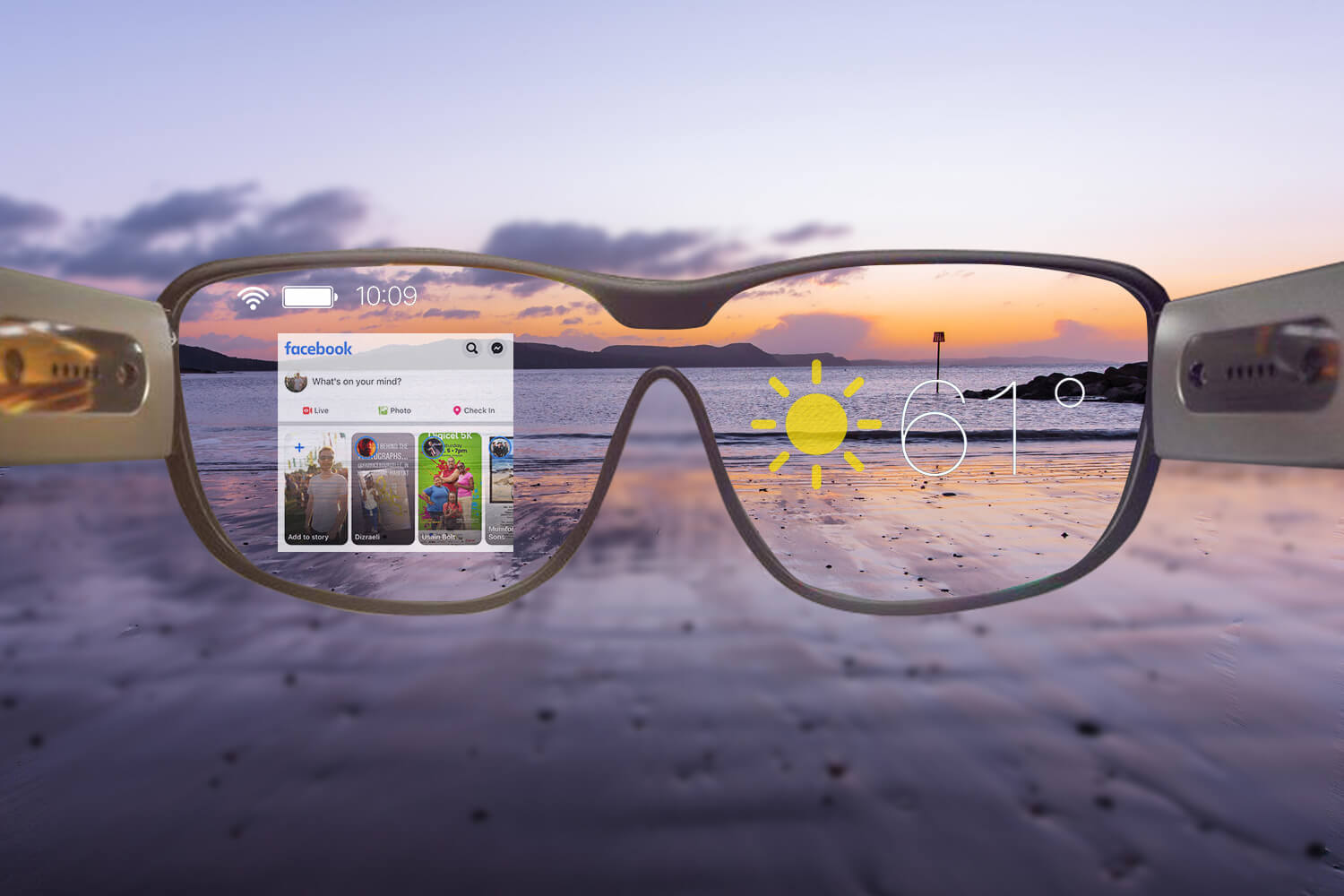
React Native for AR Glasses: The New Reality
Augmented Reality (AR) is rapidly moving beyond smartphones into wearable devices like AR glasses. React Native is emerging as a powerful framework for building immersive, cross-platform AR applications that deliver real-time interactive experiences.
Developing for AR glasses presents unique challenges such as limited processing power, battery constraints, and user interaction models. React Native's flexibility and rich ecosystem allow developers to create intuitive interfaces while leveraging native modules for AR-specific capabilities like spatial mapping and gesture recognition.
Key features include seamless integration with device sensors, support for 3D object rendering, and real-time data processing, enabling applications for navigation, fitness tracking, remote assistance, and more.
How React Native Advances AR Glasses Development
- Cross-platform code reuse for faster development
- Native modules for high-performance AR features
- Optimized UI components for small display devices
- Integration with AR SDKs like ARCore and ARKit
- Battery and resource-efficient coding practices
- Real-time interaction and feedback handling
Future Trends in AR Glasses Development
Looking forward, expect advances in AI-powered AR experiences, improved hardware integration, and new React Native libraries tailored specifically for AR glasses development. These innovations will enable richer, more intuitive user experiences.
Developers should stay updated with evolving AR frameworks and best practices for optimizing performance and usability on wearable AR devices.
In conclusion, React Native is uniquely positioned to lead the charge in AR glasses app development, combining rapid development with native performance and flexibility.
Working on something like this?
Object Infotech provides app development for teams that need it from Surat, India. Cross-platform and native mobile apps built with React Native, Flutter, Swift and Kotlin. See projects we have delivered or tell us about yours.
Talk to our team